How to prepare your dog for their first stay at a dog hotel
By Cão com Cão Team
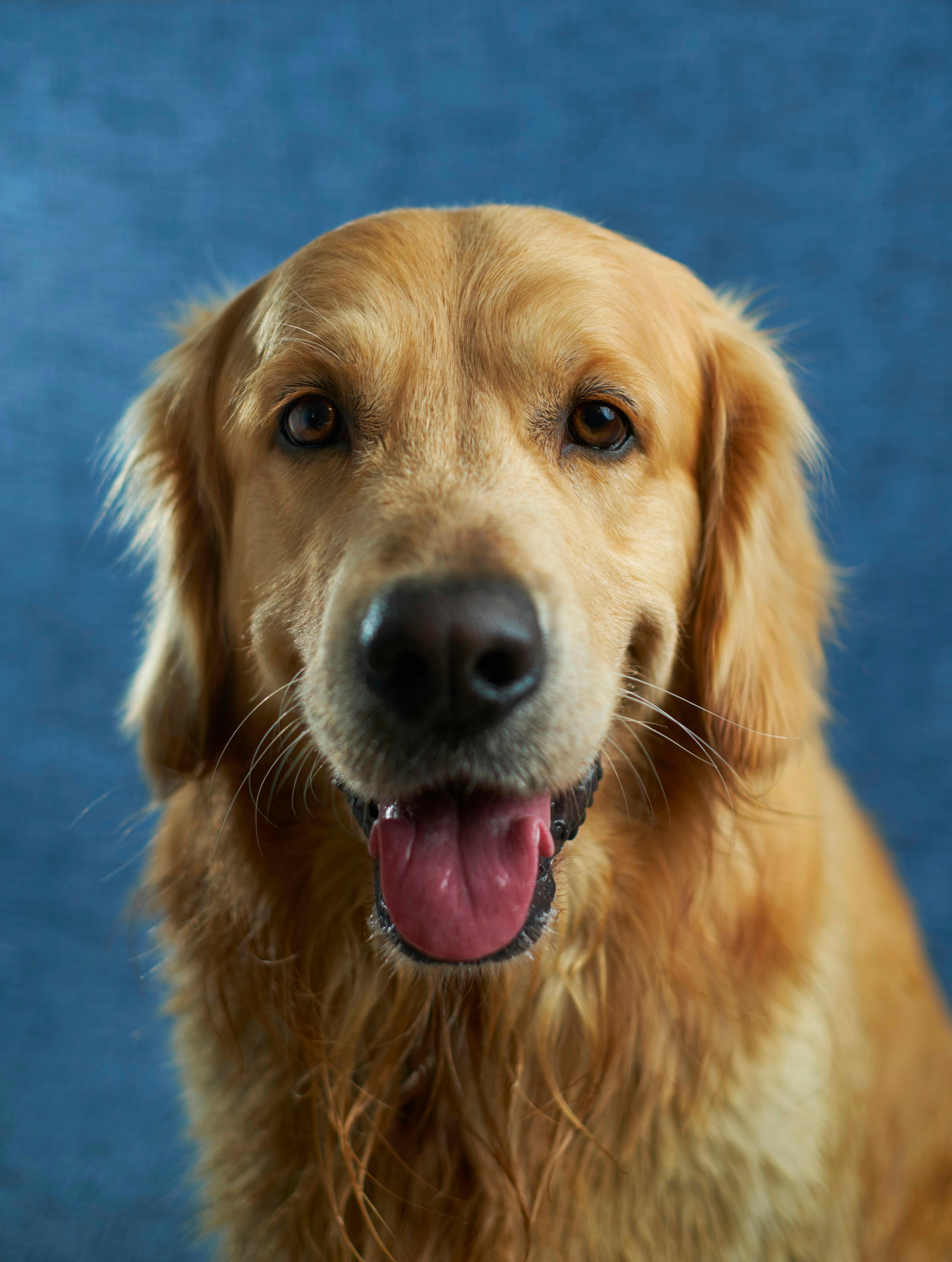
Leaving your dog at a hotel for the first time is one of those moments that affects you more than it affects them. The good news: most dogs settle quickly when the arrival is well prepared. In this guide we've gathered what we've learned from welcoming nervous, anxious and simply curious dogs — and how to turn the debut into a positive experience.
Start with routine, weeks ahead
Separation anxiety rarely begins on drop-off day; it's built at home. If your dog has never spent time away from you, it's worth practising short absences in the weeks before. Leave the house for 10 minutes, then 30, then an hour — always without a dramatic goodbye. The aim is to teach that your absence is temporary and nothing to fear.
If your dog hasn't yet been around other animals, one or two visits to daycare before the first night at the hotel work wonders. A day of daycare lets them explore the space, meet the carers and go home that evening — a gentle way to associate the place with good things.
A pre-visit makes all the difference
Whenever possible, book a visit to the hotel before your reservation. Your dog gets to know the smells, sounds and people; and you get to know the spaces, routines and who will be caring for them. Take the chance to see where the dogs sleep, where they play, and how unfamiliar animals are kept apart. You can see some of our spaces in the gallery and get a better sense of who we are on the about us page.
What to pack
Less is more, but a few essentials help your dog feel at home:
- Their usual food, divided into daily portions and labelled. Sudden diet changes are the number-one cause of upset stomachs during stays.
- A blanket or toy that smells of home. Scent is the most comforting sense for a dog.
- Medication, if relevant, with clear written dosing and timing instructions.
- Up-to-date contacts — yours and the vet's.
- An in-date vaccination record. This is non-negotiable at a responsible establishment: we explain why in Vaccination — what you need to know.
Avoid bringing too many new toys or bulky beds. An excess of unfamiliar objects can confuse rather than reassure.
Managing the goodbye (yours and theirs)
Dogs read our emotions with disconcerting accuracy. If the goodbye is long, anxious and full of "be good now, okay?", your dog senses that something is wrong. The ideal is a short, calm, confident handover. Pass the lead to the carer, say goodbye naturally and leave. In the vast majority of cases, the restlessness passes within minutes of you being out of sight.
Resist the urge to phone every hour on the first day. Agree with the team in advance on a moment to get news — many dogs need a few hours to lower their guard, and a late-afternoon update is usually more representative than one right at arrival.
The first few days: what's normal
It's normal for your dog to eat a little less, drink more water, or be more reserved in the first hours. It's also normal for them to sleep a lot — novelty is tiring. A good hotel watches for these signs and adjusts: offering tastier meals, creating moments of environmental enrichment, and respecting each dog's pace rather than forcing socialisation.
What is not normal is a persistent cough, total refusal of food for more than 24 hours, or listlessness. An attentive hotel will contact you immediately in these situations. If you want to tell an ordinary cough from something to watch, read What is kennel cough?.
Choosing the right hotel is half the work
However well you prepare your dog, the quality of the establishment is decisive. Controlled capacity, trained carers, vaccination checked at arrival and clear routines make the difference between a stressful stay and a positive experience. We've gathered the essential criteria in 10 signs of a good dog hotel — worth reading before you book.
After the stay
When you come back to collect them, stay calm — over-the-top excitement at pickup can reinforce the idea that the place was stressful. At home, let them rest; sleeping more that day is normal. If you notice a mild cough in the following days, keep an eye on it and contact your vet if it persists.
And above all, give yourself credit: preparing well for a first stay is an act of care your dog feels, even without being able to put it into words.
Ready to start? You can book a stay or a pre-visit whenever you like, or get in touch to clear up any questions before booking.